01
We define what needs to move
Direction
Shared criteria to decide what to do, what to test, and what not to do.
clear prioritiesRead in detail
How we work / 01
Human direction · AI exploration · evidence
Human direction, AI exploration, prototypes, and evidence stay inside the same loop. Each cycle answers a question and improves the next decision.
25+ yearsValenciaspecialist network
We read the context, constraints, and real problem before proposing an answer.
What we do / 02
Three outcomes. One integrated practice.
01
Shared criteria to decide what to do, what to test, and what not to do.
02
Products, services, software, and AI systems people can use and learn from.
03
People, processes, and technology prepared to continue without depending on us.
Done and learned / 03
Products, decisions, and lessons grounded in real work.
The classic choice between buying and building no longer describes every option. Today, we can compose a capability from existing products, APIs, agents, automations and small pieces of proprietary software.
A demonstration can prove that something is possible. It does not prove that an organisation can use it repeatedly, safely and independently. The leap from pilot to capability is mainly organisational.
An excellent prompt cannot compensate for a process that nobody can explain. Repeatable results require us to make context, criteria, tools, boundaries and the way we learn from each execution visible.
An SME does not need to begin with an abstract AI strategy or a fashionable tool. The first useful case is usually hidden inside a decision that repeats, consumes attention and leaves an outcome we can verify.
Since the public launch of ChatGPT based on GPT-3.5, interaction with AI has expanded from conversation to files, tools, search, code and agents. Memorised features expire; the ability to experiment and evaluate remains.
A conversation revealed a need: to find an exact quote inside hours of audio or video. Around two hours later, AudioFind existed as a small, usable tool. The case shows which problems begin to deserve software when building a first answer costs much less.
When creating a first version becomes cheaper, the bottleneck is no longer turning requirements into code. Product leadership comes to mean selecting problems, designing evidence and deciding which options should not survive.
The problem with vibe coding is not the use of AI. It is the removal of the mechanisms that let us understand, verify and evolve software. Repairing such an application begins by recovering a model of the system, not by generating more code.
One person can direct an agent system capable of covering many functions of a software team. That does not remove work or collaboration: it makes context, roles, quality controls and boundaries explicit.
Waterfall tried to predict. Agile learned to iterate. Agentic engineering reduces the cost of each cycle again. That does not make agile principles obsolete, but it does require us to revisit ceremonies and artefacts designed for a different speed of execution.
Introducing AI into engineering is not a matter of handing out licences and waiting for productivity. The workflow must be redesigned, the team must agree where AI can help, quality must remain visible and individual discoveries must become team capability.
A prototype is not there to prove that an idea was good. It helps us discover which part of the idea we still do not understand. Prototype-Driven Development shortens the distance between a conversation, shared evidence and the next decision.
Direction and team / 04
People and agents around each challenge.
Victor H. Sáez · Founder and director
For more than 25 years, he has built products, teams, and new capabilities where no playbook existed yet. Direction keeps the focus; re-active.org brings together the right mix of specialist people and AI agents for each challenge.
Learn about his story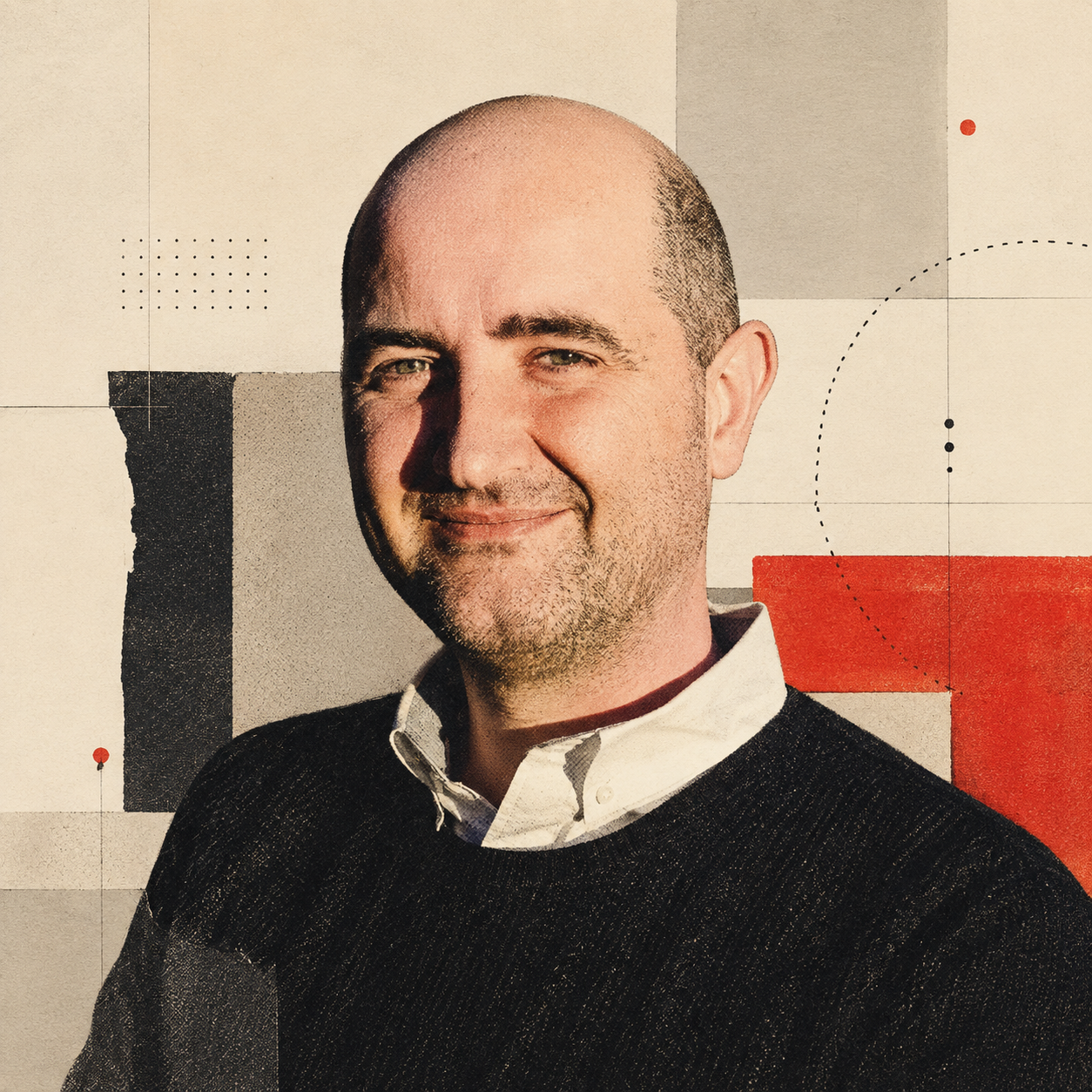
Industrial Automation and Electronics Engineer
Direction · re-active.org
Activated team
This is not a sequence of hand-offs. People and agents collaborate around the challenge, prototypes, and evidence.
Personalised learning
Learning built around your team’s real work, so it can continue without us.
Explore learningActivate / 06
Contact07
Tell us what needs to move and what is getting in the way. That is enough to start.